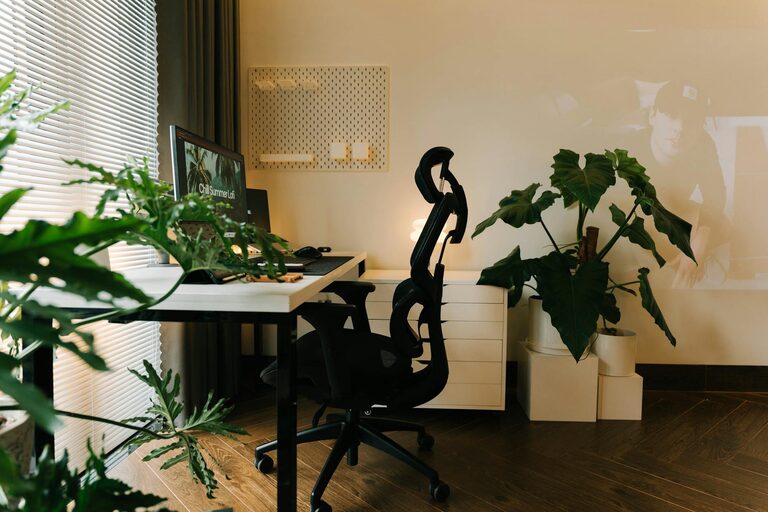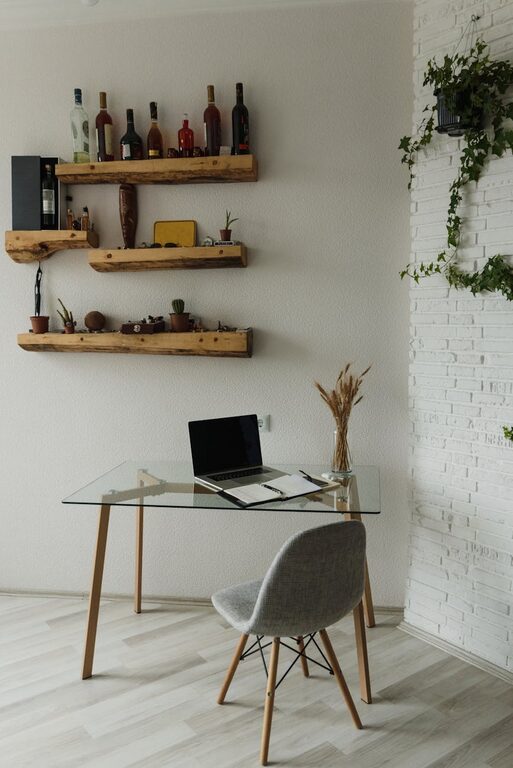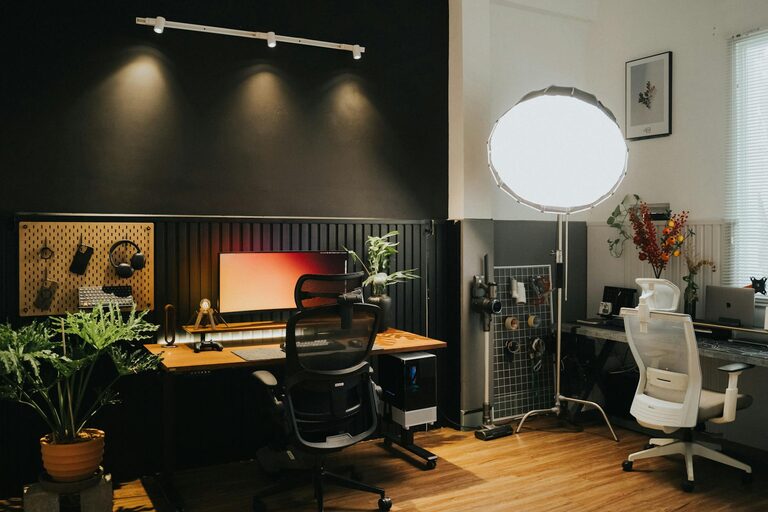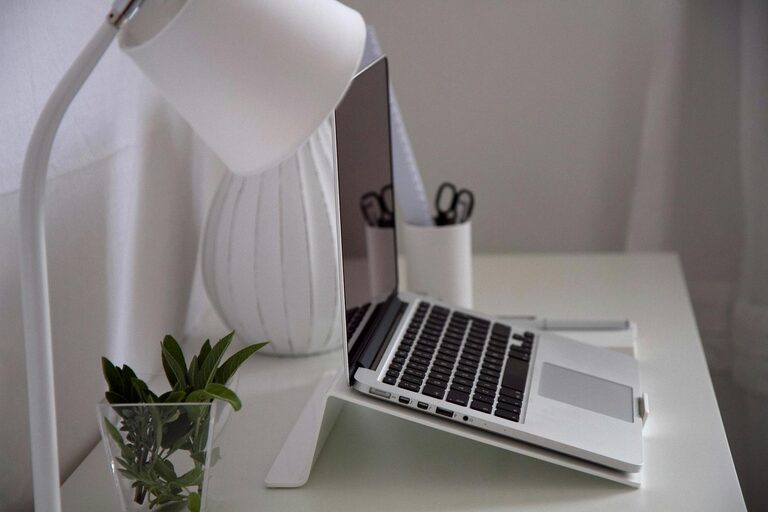
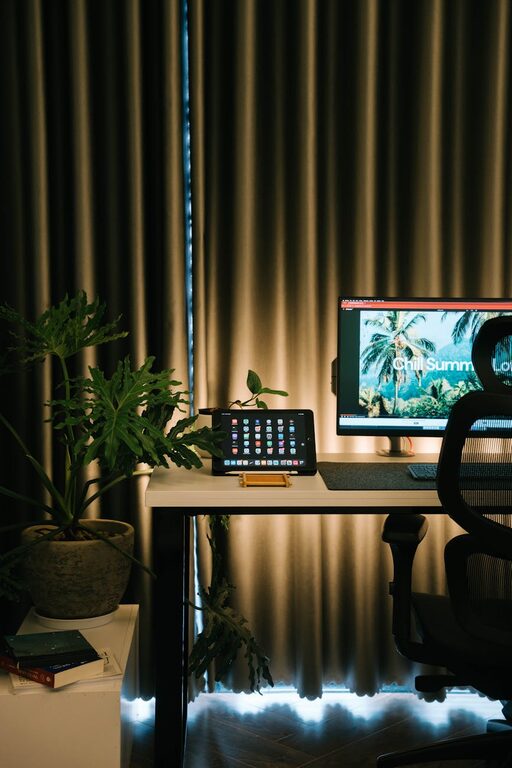
Creating a cozy and productive home office space is essential in today’s world of remote work and flexible schedules. Whether you’re freelancing, working full-time from home, or managing a side project, having a dedicated, comfortable area for work can boost focus and make your workday more enjoyable. Here are helpful tips to design a home office that blends comfort with productivity.
Choose the Right Location
The first step in creating an effective home office is picking the best spot in your home. Consider these factors:
– Natural Light: Try to select a space near a window. Natural light not only improves mood but also helps reduce eye strain.
– Quiet Environment: Find an area that’s away from household noise and distractions, especially if you need to take calls or focus on detailed tasks.
– Space Availability: Depending on your needs, find a corner, spare room, or nook that offers enough room for your desk, chair, and storage.
Invest in Comfortable and Functional Furniture
Your furniture plays a big role in productivity and comfort.
– Ergonomic Chair: A supportive chair with adjustable height and lumbar support helps prevent back pain during long hours of work.
– Desk Size: Choose a desk that fits your space and has enough surface area for your computer, notebooks, and other essentials.
– Adjustability: Consider sit-stand desks or add-ons like monitor stands to encourage healthy posture changes throughout the day.
Organize with Purpose
Keeping your workspace tidy reduces stress and distractions.
– Storage Solutions: Use shelves, drawers, or filing cabinets to store documents, supplies, and tech accessories.
– Desk Organizers: Pen holders, trays, and cable management systems keep your desktop clutter-free.
– Daily Cleanup: Spend a few minutes at the end of each day tidying up to maintain order in the long run.
Personalize Your Space
Making your office feel like your own will increase your sense of comfort and motivation.
– Decor: Add artwork, plants, or photos that inspire you.
– Colors: Choose calming or stimulating colors based on your work style. For example, blues and greens tend to be relaxing, while yellows can boost creativity.
– Lighting: Besides natural light, use desk lamps or soft bulbs to create a warm atmosphere.
Minimize Distractions
Distractions can derail productivity quickly, so it’s important to manage them effectively.
– Noise Control: Use noise-canceling headphones or white noise machines if you cannot find a quiet spot.
– Tech Boundaries: Turn off non-work-related notifications or keep personal devices out of reach.
– Dedicated Work Hours: Set clear boundaries with others in your household about your work time.
Incorporate Healthy Habits
Supporting your well-being in your workspace can improve both comfort and output.
– Stay Hydrated: Keep a water bottle nearby.
– Take Breaks: Use timers to remind you to stretch or walk periodically.
– Good Ventilation: Fresh air prevents fatigue and keeps the space feeling lively.
Optimize Technology Setup
A reliable and efficient tech setup keeps you connected and productive.
– Strong Internet: Ensure your Wi-Fi signal is stable or consider wired connections if possible.
– Quality Equipment: Invest in a good headset, webcam, and keyboard suited to your tasks.
– Backup Power: Consider surge protectors or UPS for uninterrupted work during outages.
Create a Routine That Works
A consistent routine anchors your productivity.
– Start and End Times: Define clear starting and stopping times for your workday.
– Morning Ritual: Incorporate a ritual—like a cup of coffee or a short walk—to signal the start of work.
– Task List: Plan your day in advance, prioritizing tasks to maintain focus.
—
By thoughtfully blending comfort with functionality, your home office can become a welcoming and effective space that supports your best work. Remember that this space is personal and should evolve as your work style and needs change. Taking the time to create a cozy and productive environment pays off daily in increased motivation and efficiency.
About the Author