Creating a cozy and inviting home office space is more important than ever as many people spend significant time working from home. A thoughtfully designed workspace can improve your mood, increase productivity, and make your workday more enjoyable. Whether you have a dedicated room or a small corner, these tips will help you transform your home office into a comfortable and inspiring environment.
Choose the Right Location
Selecting the right spot for your home office is the first step in creating a cozy workspace. Ideally, pick an area with plenty of natural light. A room or corner near a window can enhance your energy and reduce eye strain. Avoid high-traffic areas where noise or interruptions are common.
If space is limited, consider using room dividers or screens to separate your workspace from the rest of your living area. This helps create a psychological boundary between work and relaxation.
Invest in Comfortable and Ergonomic Furniture
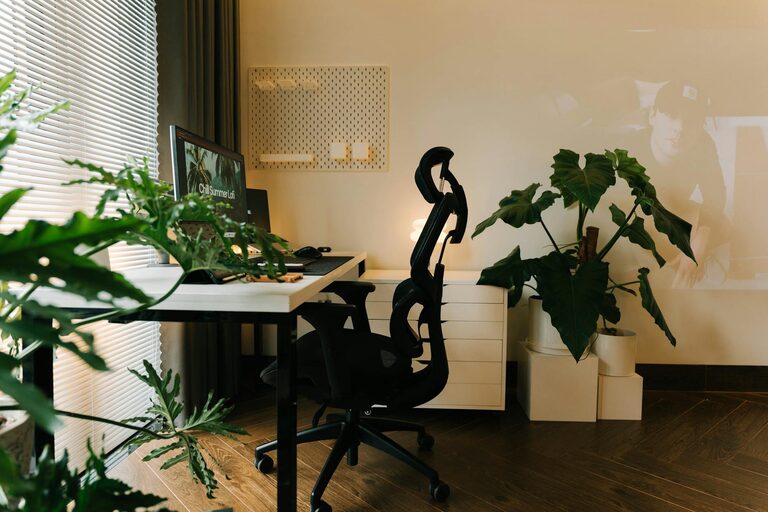
Comfort is key in a home office, especially if you spend many hours working. Invest in an ergonomic chair that supports your back and promotes good posture. Look for adjustable features to customize the fit to your body.
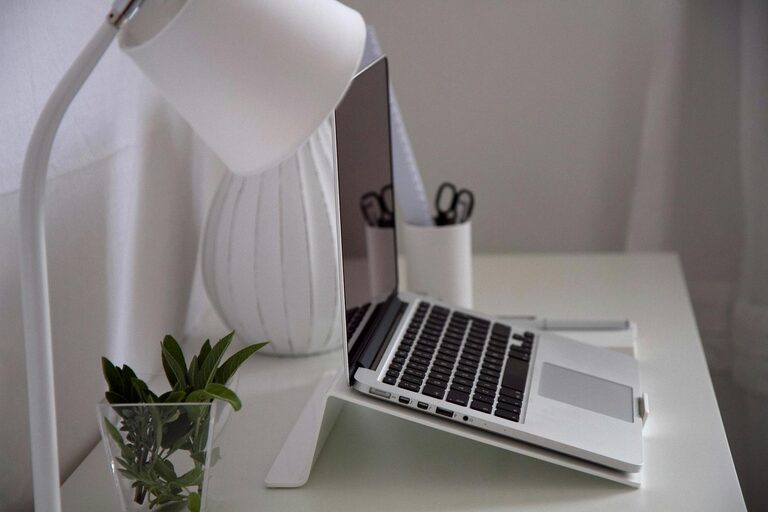
Your desk should be at a height that keeps your forearms parallel to the floor when typing. If a traditional desk doesn’t suit your space, consider alternatives like standing desks or laptop risers for variety during your workday.
Use Soothing Colors and Soft Textures
Colors and textures affect the mood and feel of your space. Soft, neutral colors such as light blues, greens, or warm beiges create a calming atmosphere. You can add pops of color through accessories like cushions, rugs, or wall art to personalize the area without overwhelming it.
Incorporate soft textures to add warmth. A cozy throw blanket, a plush rug, or fabric-covered bulletin boards can make the environment feel inviting and reduce any sense of sterility.
Maximize Natural Light and Add Layered Lighting
Natural light boosts productivity and wellbeing, so position your desk near windows whenever possible. Use sheer curtains to diffuse harsh sunlight without blocking it completely.
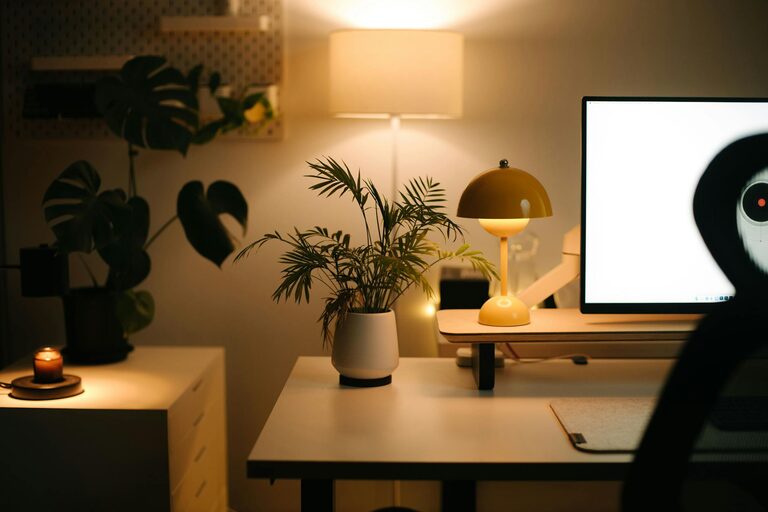
For the darker hours or spaces without enough natural light, use layered lighting options. Combine overhead lights with desk lamps and ambient lighting like floor lamps or string lights. Adjustable lighting allows you to adapt the brightness based on the task and time of day, reducing eye strain.
Keep Your Space Organized and Clutter-Free
A cluttered workspace can increase stress and reduce focus. Use shelves, drawers, and organizers to keep supplies neat and accessible. Label storage containers to find items quickly.
Try to maintain a clear desk surface by putting away papers and tools at the end of each day. Consider a cable management system to keep wires out of sight and avoid tangling.
Add Personal Touches and Greenery
Personalizing your home office can make it more welcoming. Display photos, artwork, or motivational quotes that inspire you. Use decorative items that reflect your personality without distracting from work.
Adding plants is a simple way to bring life and freshness to your workspace. Indoor plants improve air quality and add a touch of nature, which can reduce stress and enhance creativity. Choose low-maintenance plants like succulents, snake plants, or pothos for easy care.
Incorporate Sound Solutions
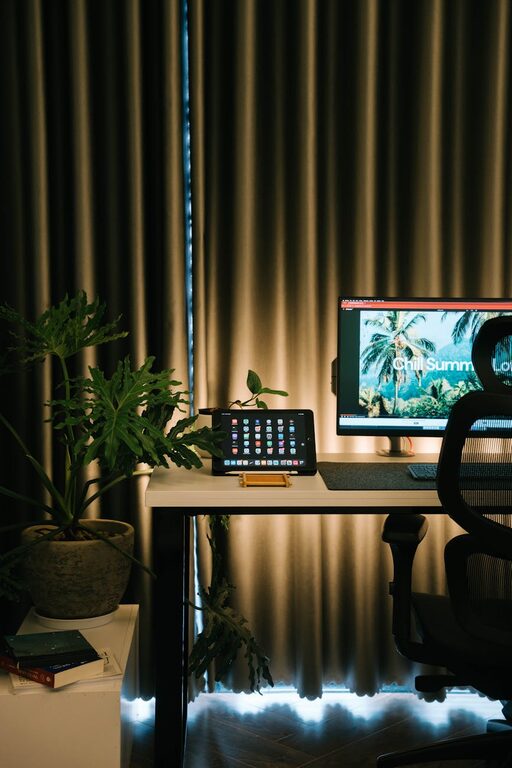
Background noise can either disrupt or enhance your concentration. If you’re in a noisy environment, consider soundproofing options such as rugs, heavy curtains, or foam panels to reduce distractions.
Alternatively, playing gentle background music or white noise can help you stay focused. Noise-cancelling headphones are useful if your surroundings are unpredictable.
Create a Break Area
If space allows, add a small area nearby for taking breaks. A comfortable chair or small sofa lets you step away from your desk to rest or read. Keeping this area separate helps mentally distinguish between work time and downtime.
Including a small shelf with books or a cup of tea nearby encourages regular breaks, which are essential for maintaining productivity and wellbeing.
Keep Technology User-Friendly and Efficient
Choose technology that supports your workflow without adding complexity. Use wireless devices to reduce cable clutter and improve mobility.
Arrange your computer, keyboard, mouse, and other tools ergonomically to minimize strain. Ensure your internet connection and software are reliable to avoid frustrations.
Maintain Good Ventilation and Temperature Control
A well-ventilated space with a comfortable temperature contributes significantly to your comfort. If your office lacks proper airflow, consider using fans or air purifiers. Adjust thermostats or use portable heaters to keep the temperature cozy, especially during colder seasons.
—
By applying these tips, you can create a home office space that feels cozy, inviting, and functional. Remember that the best office environment reflects your individual needs and preferences, combining comfort with productivity. A pleasant workspace not only supports your work goals but also enhances your overall home experience.
About the Author