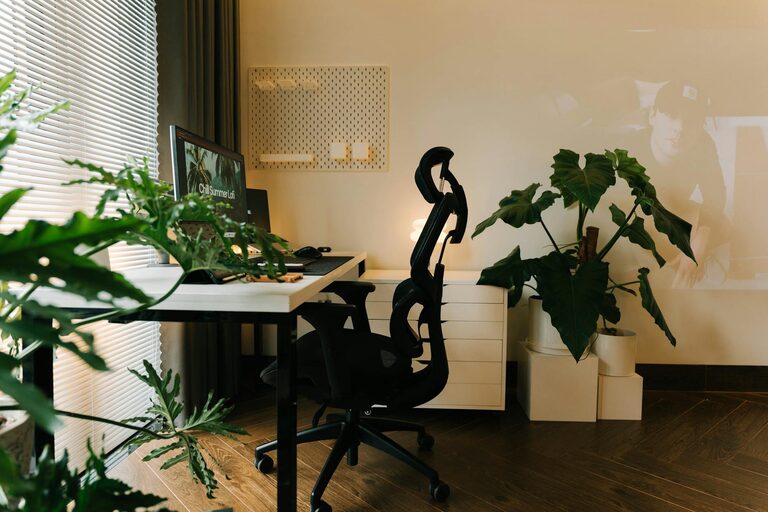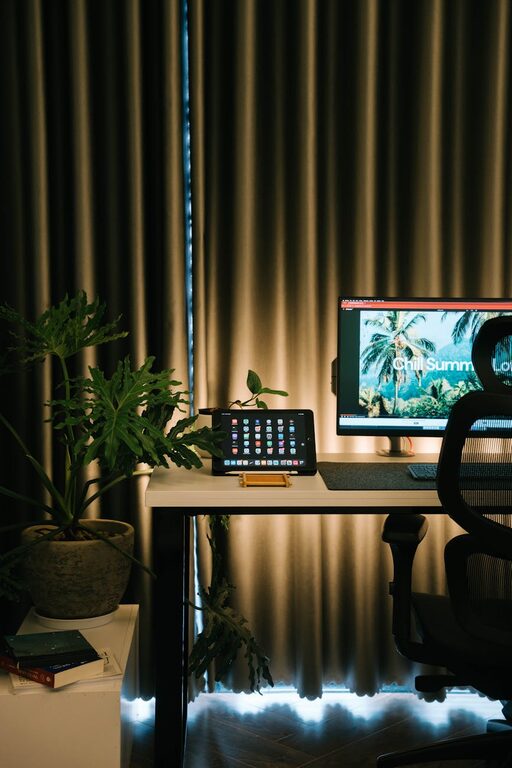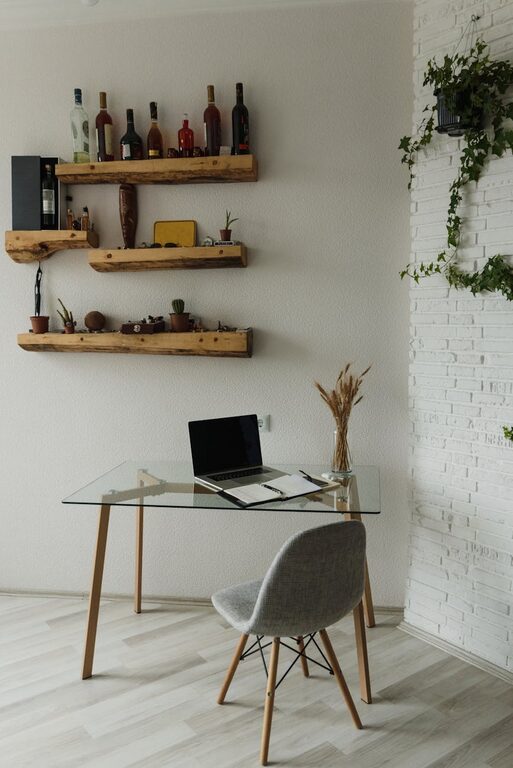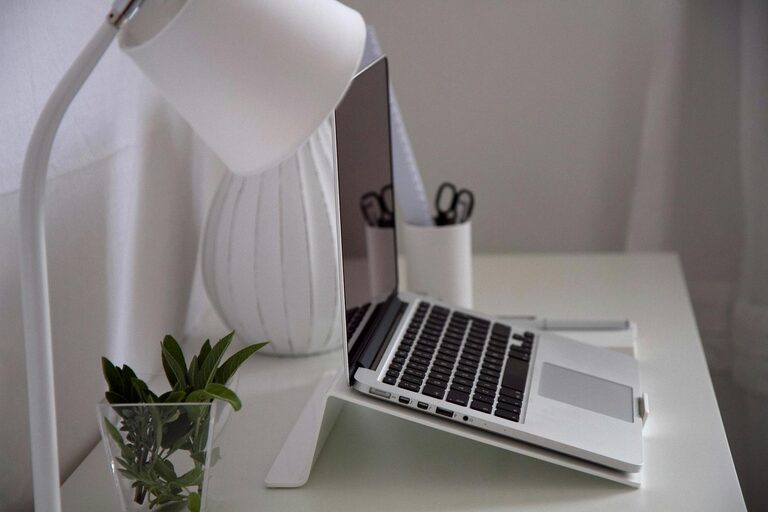
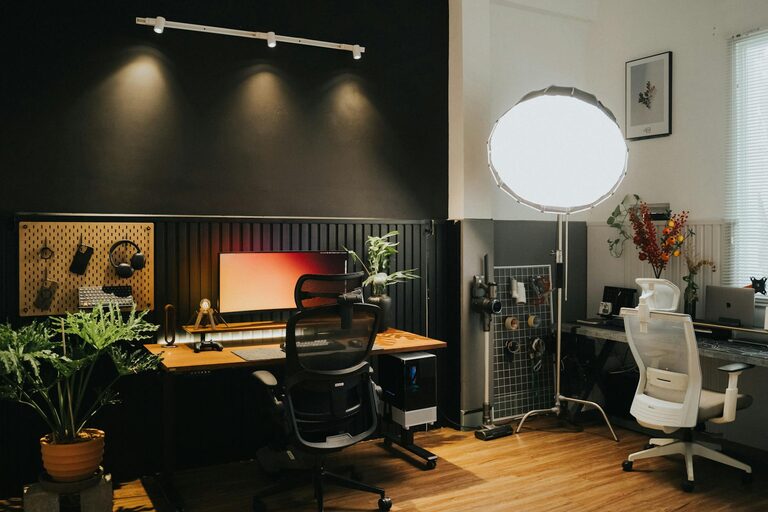
Creating a cozy and functional home office space can make a big difference in your productivity and overall well-being. Whether you work remotely, freelance, or simply need a dedicated area for personal projects, having a comfortable and well-organized workspace helps you stay focused and motivated. In this guide, we’ll share practical tips to help you design a home office that feels inviting and supports your work needs.
Why Having a Cozy and Functional Home Office Matters
Your home office is more than just a desk and chair. It’s where you spend hours concentrating, brainstorming, and accomplishing tasks. A space that is both cozy and functional can:
– Improve your focus and reduce distractions
– Boost your mood and creativity
– Help maintain a healthy work-life balance
– Encourage better posture and comfort
Now, let’s dive into the best ways to create that ideal space.
Choose the Right Location
Consider Natural Light
Select a spot in your home with plenty of natural light. Sunlight can enhance your mood and reduce eye strain. If natural light is limited, opt for a well-lit area and use warm, adjustable lighting to create a soothing environment.
Find a Quiet Corner
Noise can interrupt your workflow. If possible, pick a location away from high-traffic areas like the kitchen or living room. Adding rugs, curtains, or acoustic panels can help absorb sound.
Select Comfortable and Supportive Furniture
Invest in a Good Chair
A comfortable, ergonomic chair is crucial. It supports your posture during long work sessions and reduces the risk of back pain.
Choose the Right Desk
Your desk should fit your space and needs. Consider adjustable desks if you want the option to alternate between sitting and standing.
Use Storage Solutions
Clutter can cause stress. Use shelves, drawers, or containers to keep supplies organized and within reach.
Personalize Your Space Without Overcrowding
Add Cozy Textures
Incorporate soft elements like a plush rug, cushions, or a throw blanket to make the space inviting.
Display Inspiring Decor
Choose artwork, plants, or personal items that motivate you but avoid overcrowding surfaces.
Keep Color in Mind
Colors affect mood. Soft neutrals can create calm, while pops of brighter colors may boost energy.
Organize Your Workspace Efficiently
Keep Essential Items Accessible
Arrange your most-used items like pens, notebooks, and chargers near your desk to save time.
Manage Cables Neatly
Use cable organizers or clips to prevent tangles and keep your desk tidy.
Use Digital Tools
Minimize paper clutter by using digital calendars, notes, and project management apps.
Establish Good Lighting
Combine Ambient and Task Lighting
Use overhead lights for general illumination and a desk lamp for focused work.
Avoid Screen Glare
Position lighting to avoid glare on your computer screen, which can cause eye strain.
Maintain Good Air Quality and Temperature
Ventilation Matters
Fresh air helps you stay alert. Open windows when possible or use air purifiers.
Keep Comfort in Mind
Ensure the room temperature suits your preference to avoid discomfort.
Set Boundaries for Work and Break Time
Create a Routine
Establish clear work hours and stick to them to separate work from personal life.
Take Regular Breaks
Move around, stretch, or step outside to refresh your mind during the day.
Final Thoughts
A well-designed home office combines comfort and practicality, helping you focus and feel good while working. Start small by adding a few cozy touches and organizing your essentials, then adjust as you find what works best for you. With these tips, you’re on your way to a productive space that feels like your own personal haven.
About the Author