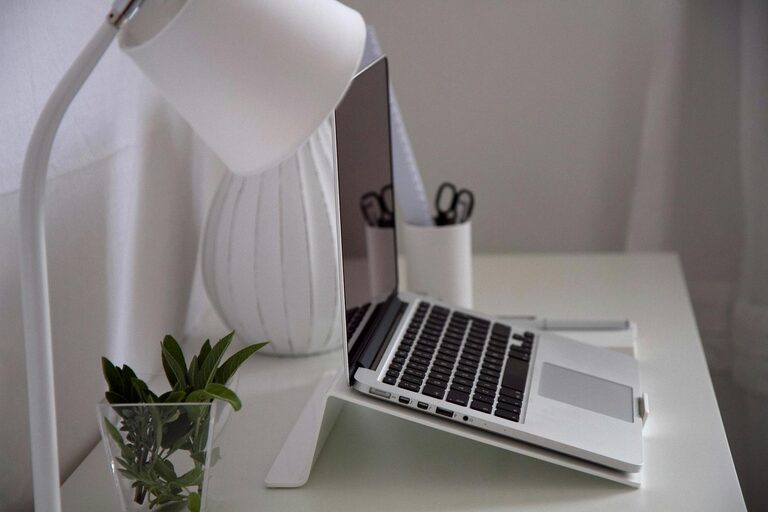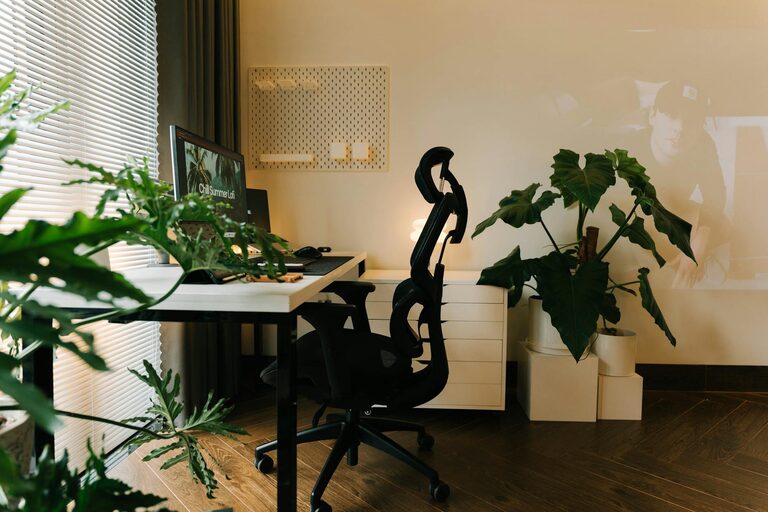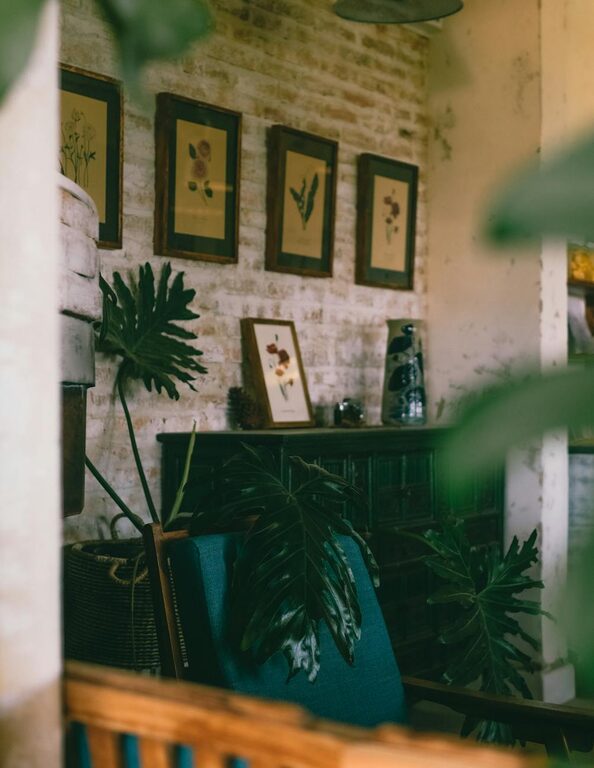
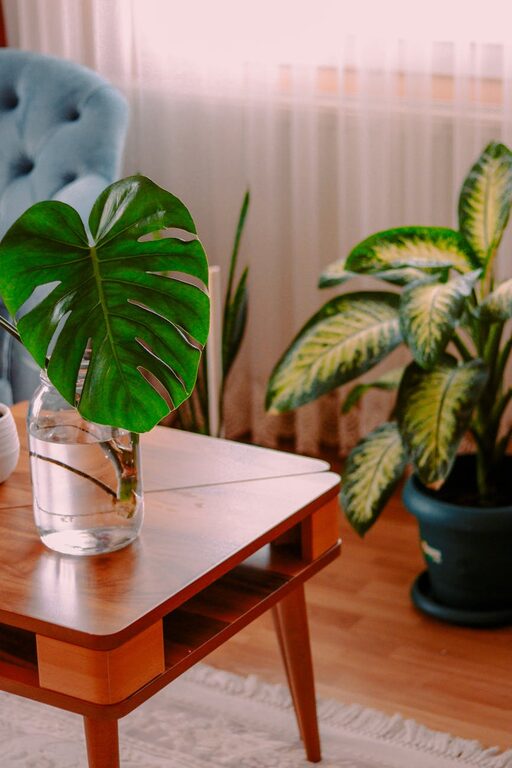
Bringing nature indoors by incorporating plants into your home decor has become a popular trend—and for good reason. Indoor plants not only add a touch of beauty and freshness but also offer a range of health and psychological benefits. Whether you have a green thumb or are just starting out, indoor plants can transform the atmosphere of your living space. In this article, we explore the many benefits of adding indoor plants to your home and some practical tips to get you started.
Why Choose Indoor Plants?
Indoor plants are more than just decorative items. They contribute to your home’s environment in ways that affect your comfort, health, and mood. Here are some key reasons why indoor plants deserve a place in your living spaces:
1. Enhance Aesthetic Appeal
Plants bring life to any room. Their vibrant greens and various shapes and sizes complement almost any decor style—from modern minimalist to cozy farmhouse. A well-chosen plant can act as a living centerpiece or a subtle accent, adding color and texture to your interior design without overwhelming the space.
2. Improve Air Quality
Many houseplants have natural air-purifying abilities. They absorb carbon dioxide and release oxygen, which refreshes indoor air. Some plants can also filter out harmful toxins such as formaldehyde, benzene, and trichloroethylene, which are commonly found in household products and furniture.
3. Boost Mental Well-being
Tending to indoor plants has been linked with reduced stress and anxiety levels. The act of caring for plants promotes mindfulness and provides a sense of accomplishment. Additionally, being surrounded by greenery can enhance mood and even improve focus and productivity.
4. Increase Humidity
Plants release moisture vapor during transpiration, which raises indoor humidity levels. This can be particularly beneficial in dry climates or heated homes where dry air can cause skin dryness and respiratory discomfort.
5. Connect with Nature Indoors
Bringing plants inside helps create a connection to the natural world, which many people miss in urban living environments. This connection can foster relaxation and a sense of peace, making your home a more comforting and inviting place.
Types of Indoor Plants Suitable for Home Decor
Not all plants are suited for every home environment, so choosing the right type is key. Here are some common indoor plants that are easy to care for and visually appealing:
– Snake Plant (Sansevieria): Known for its upright, sword-like leaves and ability to thrive in low light.
– Spider Plant (Chlorophytum comosum): Features arching green and white striped leaves; great for hanging baskets.
– Pothos (Epipremnum aureum): A trailing vine with heart-shaped leaves, tolerant of low light.
– Peace Lily (Spathiphyllum): Offers elegant white blooms and removes indoor pollutants effectively.
– Succulents: Require minimal water and care, with a variety of interesting shapes and sizes.
– Fiddle Leaf Fig (Ficus lyrata): Popular for large, dramatic leaves that make a bold statement.
Tips for Incorporating Indoor Plants into Your Home Decor
Choose the Right Spot
Pay attention to the lighting needs of each plant. Some prefer bright, indirect sunlight, while others can tolerate low-light conditions. Windowsills, corners of rooms, and shelves are common spots to place plants.
Use Attractive Planters
The planter or pot you choose can complement your home’s style. Materials like ceramic, terracotta, or woven baskets add texture and personality. Consider colors and shapes that enhance your room’s overall look.
Mix and Match
Combine different sizes and types of plants to create visual interest. Grouping plants together can simulate a mini indoor garden and produce a fuller, more lush effect.
Keep Maintenance in Mind
Select plants that fit your lifestyle and amount of time for care. Some plants require frequent watering and pruning, while others are low maintenance.
Integrate Plants into Functional Spaces
Place plants in areas where you spend a lot of time, such as your living room, kitchen, or home office. This maximizes their benefits in improving mood and air quality where you need it most.
Caring for Your Indoor Plants
Good care ensures your plants remain healthy and vibrant. Here are some fundamental tips:
– Water appropriately: Avoid over-watering or under-watering. Check the soil moisture regularly.
– Provide adequate light: Ensure plants receive the light level they require.
– Clean leaves: Dust or wipe leaves occasionally to keep them free from dust and help with photosynthesis.
– Fertilize when needed: Use a balanced fertilizer during growing seasons to support plant health.
– Repot when necessary: As plants grow, they may need a larger pot to continue thriving.
Conclusion
Incorporating indoor plants into your home decor is a simple yet effective way to enliven your living space, improve the air you breathe, and enhance your overall well-being. With a wide variety of plants to choose from and easy care tips, anyone can enjoy the benefits of greenery indoors. So why not bring a bit of nature into your home today? Your space—and your mood—will thank you for it.
About the Author